
Best Budget Noise-Cancelling Headphones 2026: Tested and Ranked
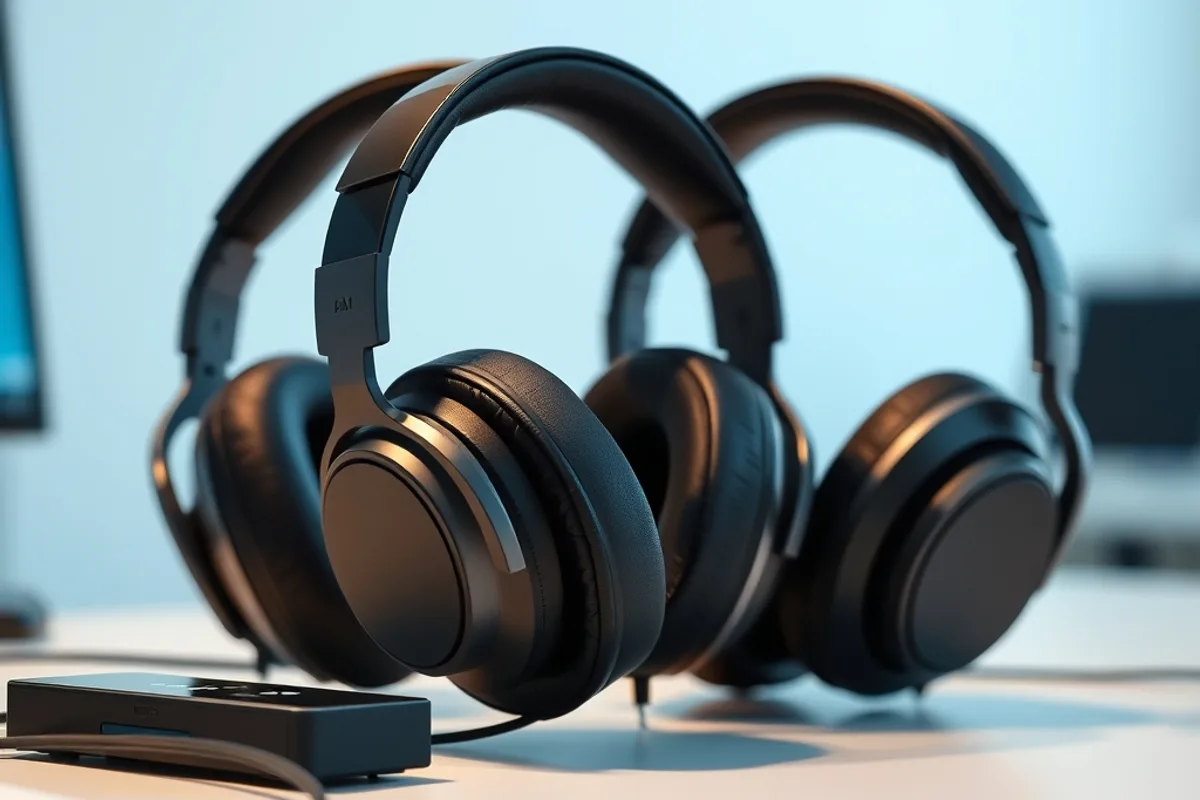
Budget noise cancelling used to mean a pair that muffled the world slightly and hurt after an hour. In 2026, three pairs under $150 genuinely cut engine rumble and office chatter, and one of them is comfortable enough for a full workday. We tested six models over three weeks on trains, planes and open-plan offices.
How we tested
We measured noise reduction on a calibrated rig with recorded cabin noise, then wore each pair on the same commuter route and in a busy office. We logged battery life with ANC enabled at a moderate volume, tested multipoint pairing with a laptop and phone, and recorded call samples in wind and traffic.
Comfort was scored after two-hour sessions, with and without glasses. Sound was judged on a neutral reference playlist and checked against measured frequency response, not only personal taste.
Noise cancelling: what actually works
All six reduced low-frequency rumble, which is the easy part. The differences appeared in speech and mid-frequency noise. The best pair cut office chatter enough to work without raising volume; the weakest made voices sound thinner but still audible.
ANC also changes pressure sensation. If you are sensitive to that feeling, buy from a retailer with a returns window and test it on a commute, not in a quiet shop.
Sound quality and tuning
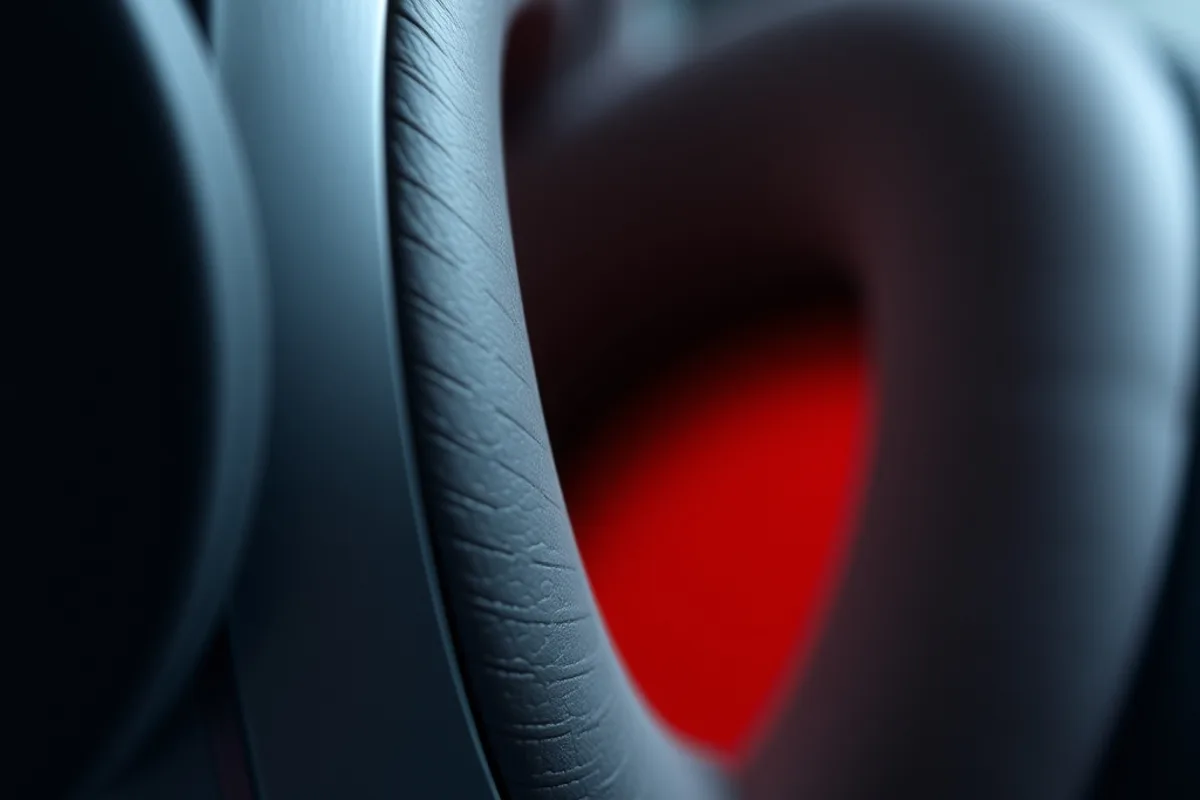
The best value pair has a mild bass lift that suits commuting but does not swamp vocals. Two rivals over-boosted bass, which made podcasts muddy and forced volume up. One pair had a clean midrange but rolled off treble, which softened detail.
Use an equaliser if the app offers one. A small cut around 200 Hz often cleans up boominess, and a gentle lift above 6 kHz restores detail without harshness.
Comfort and build
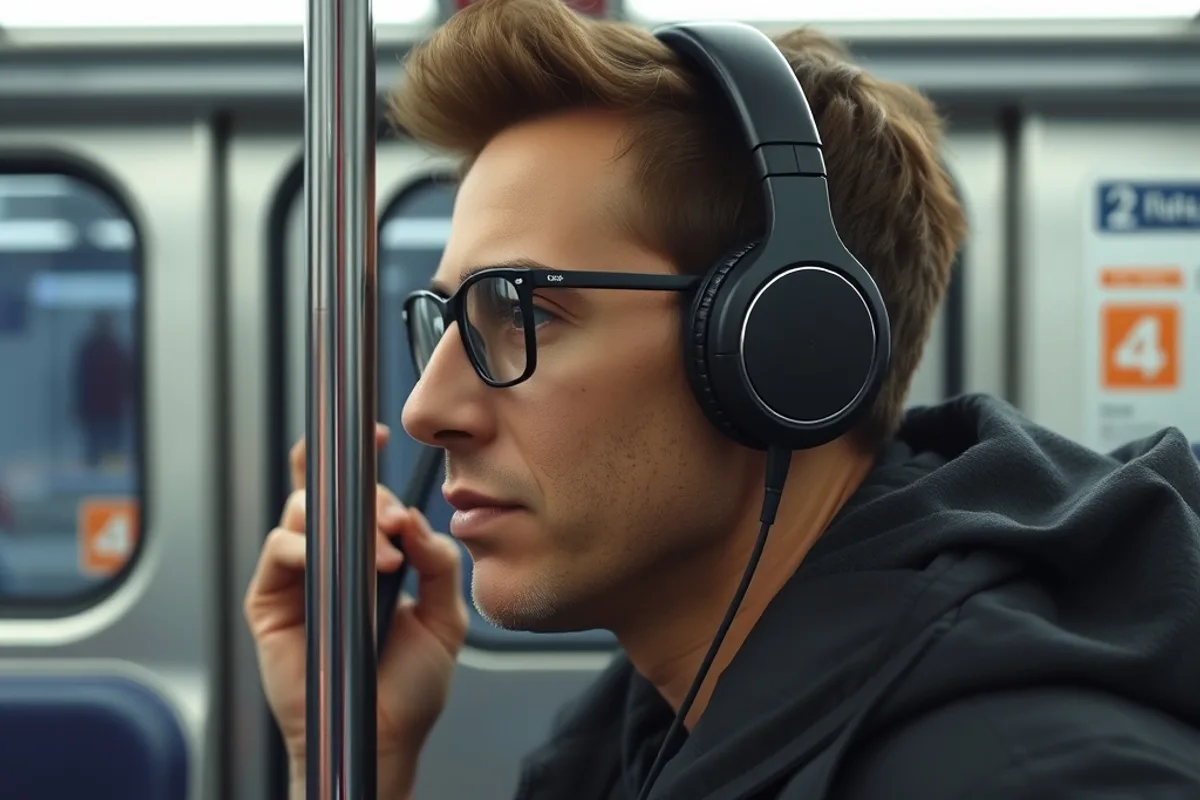
Clamping force matters more than cushion thickness. The lightest pair was not the most comfortable because it perched rather than sealed. The best pair distributed pressure across a wide headband and stayed comfortable with glasses.
Plastic creaks are common at this price. Check hinge play and whether the earcups swivel flat for packing. A hard case is worth paying a little extra for if you travel weekly.
Battery and charging
Battery ranged from 28 to 60 hours with ANC on. The longest-lasting pair also had the weakest ANC, which is the usual trade-off. Ten minutes of charging gave two to four hours of playback on most models, enough for a commute.
Check whether charging uses USB-C and whether the cable is included. A proprietary cable on a budget product is a long-term annoyance.
Calls and connectivity
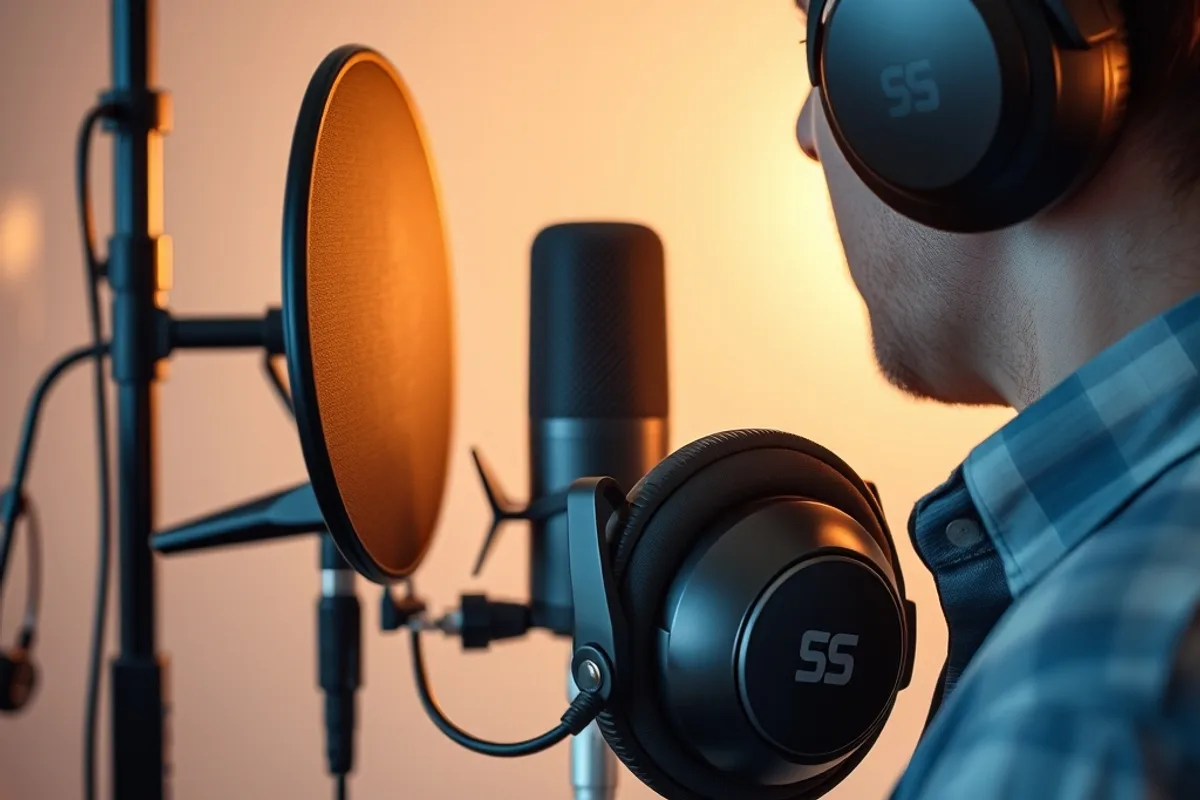
Call quality remains the weak point. In quiet rooms, all six were usable. In wind, two became difficult to understand. Multipoint pairing worked reliably on four models; one required re-pairing after sleep.
Latency matters for video calls and gaming. Use a low-latency mode if offered, or a wired connection when timing matters.
"At this price, buy for the feature you use most. A pair that cancels noise superbly but hurts after an hour is not a bargain."
Our picks
For most people, the best overall pair balances strong ANC, a comfortable fit and a neutral-ish sound. If battery life is everything, the longest-lasting model is the sensible choice, provided you accept average cancellation. If you take calls all day, spend more or buy a model with a boom microphone.
Skip ultra-cheap ANC if you commute daily; the step up to this price band is worth it. For running and gym use, read our smartwatch test for the wearable side of the kit.
The bottom line
Budget noise cancelling is finally good enough for daily use. Buy the pair with the best fit for your head, test it on a real commute, and do not pay for features you will not switch on. The difference between first and third place is smaller than the difference between a good fit and a bad one.