Smartwatch Battery Life Tested: 7 Models Compared in 2026
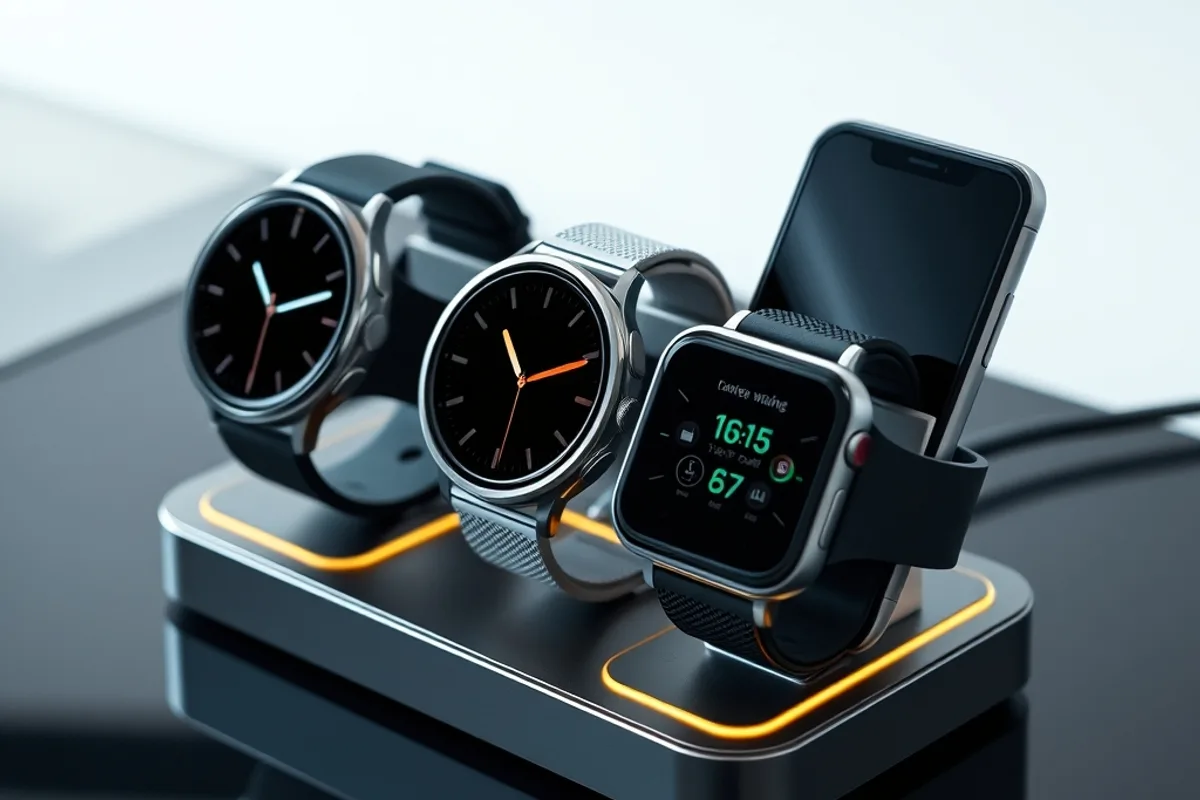
Smartwatch battery claims are usually measured with the screen off, notifications limited and GPS unused. That is not how anyone wears a watch. We tested seven models with always-on display enabled, sleep tracking on, notifications from two accounts and five GPS workouts per week, then recorded the real runtime.
The test routine
Each watch was worn for two full weeks after a factory reset. Always-on display was on where the model supports it. Sleep tracking ran nightly, SpO2 was left on automatic, and notifications came from the same phone and accounts. Five outdoor runs per week used GPS for 35 to 45 minutes.
We recorded battery percentage at the same time each morning and noted when each watch entered low-power mode. Results are rounded to half a day.
The results
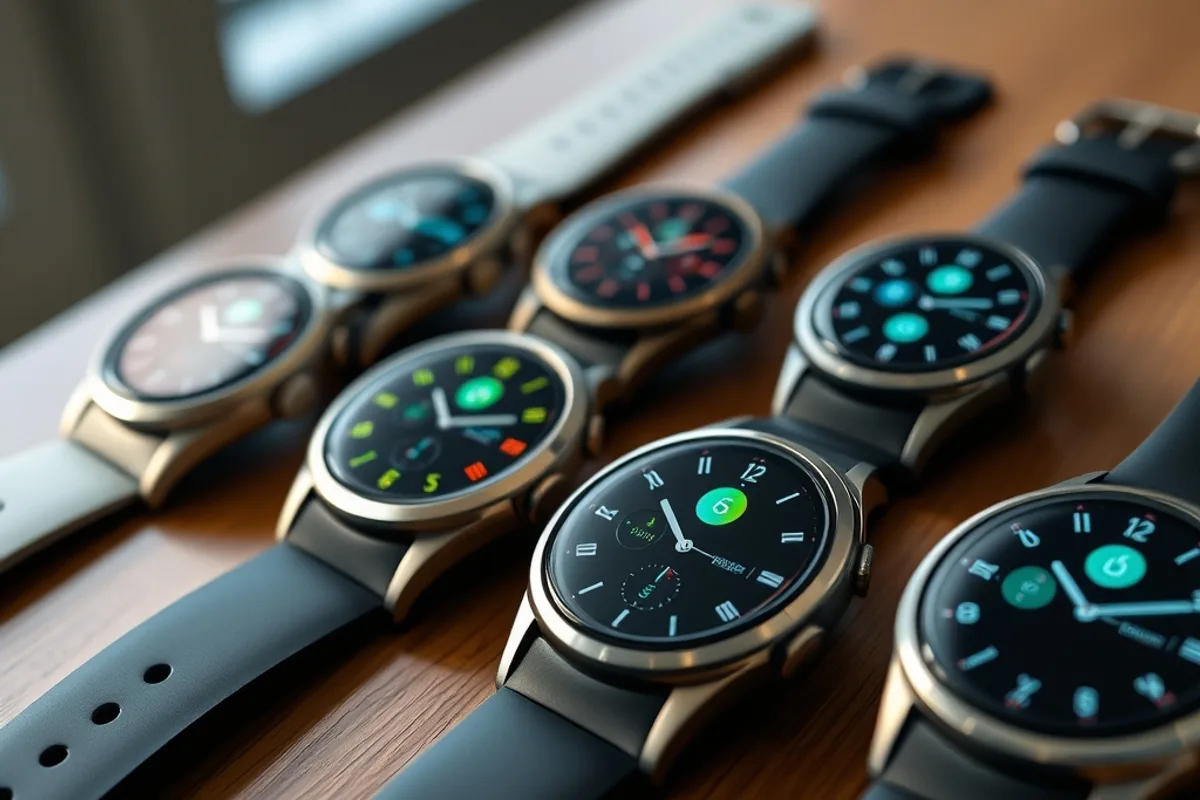
The two full-smart watches lasted around 1.5 to 2 days. The hybrid and sporty models ranged from 5 to 12 days. The gap is not only battery capacity; it is screen technology, operating system overhead and how aggressively the watch samples sensors.
A bright always-on display is the single biggest drain for most users. Turning it off typically added 30 to 60 percent runtime in our tests, which is more than most people expect.

What costs battery in real use
GPS is expensive. An hour of running reduced runtime by roughly 8 to 14 percent on the full-smart models, and by less on watches with larger batteries. Streaming music over LTE cost more than GPS in our tests, so download playlists before you leave.
Sleep tracking with blood-oxygen sampling is the second biggest cost. If you do not act on the data, switch it to periodic rather than continuous. Notification vibration also adds up on busy days.
Charging habits
A watch that charges in 40 minutes fits a morning shower routine. A watch that needs 90 minutes is a different commitment. Check the charger type: proprietary docks are easy to lose and expensive to replace.
Fast charging changed our recommendation more than raw runtime. A two-day watch that tops up in 20 minutes is easier to live with than a four-day watch that needs two hours.
Health sensors: accuracy over quantity
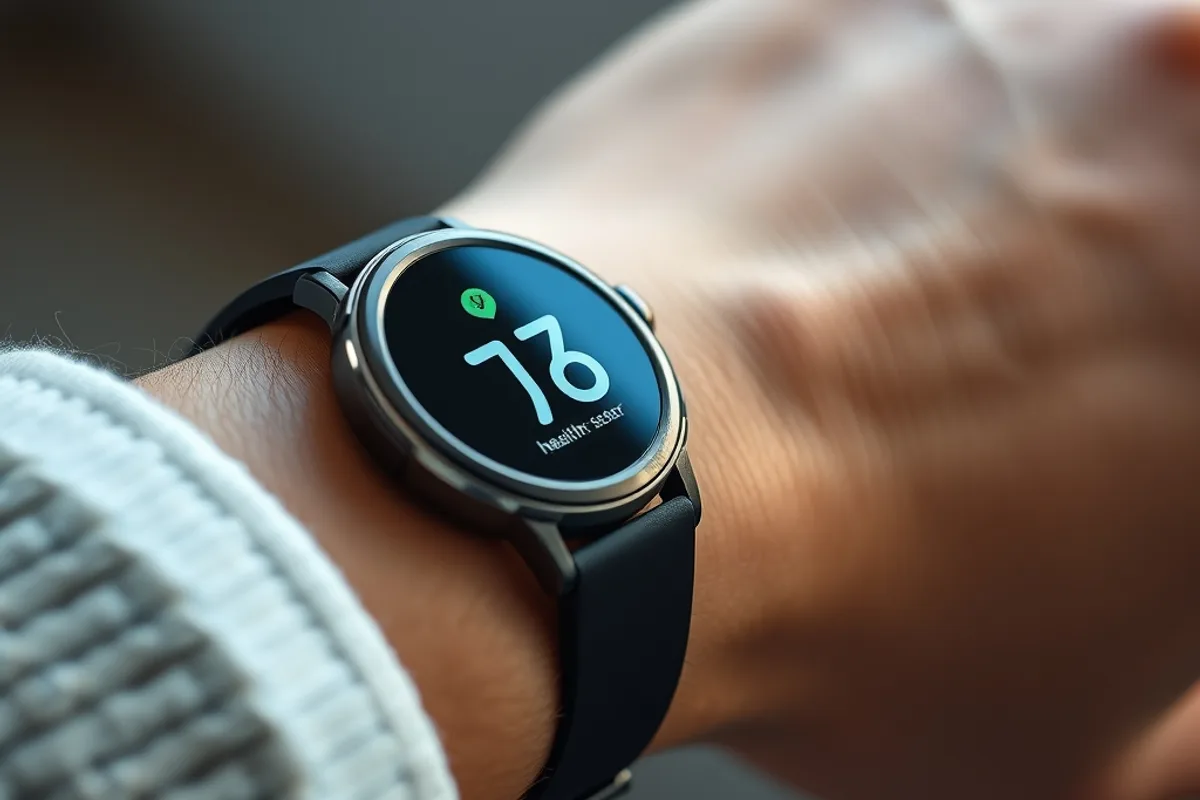
More sensors do not mean better data. We compared heart rate during intervals against a chest strap; the best watches tracked within a few beats per minute, the worst lagged during rapid changes. Blood-oxygen readings varied enough that we would not treat them as medical data.
Look for consistent sleep staging and reliable resting heart rate rather than a long feature list. A watch that measures less but measures well is more useful.
Which model suits which user
iPhone owners who want apps and payments should accept daily-ish charging. Android users who want a week of battery have several strong options. Runners should prioritise GPS accuracy and a readable screen in sunlight. Hybrid buyers trade features for two weeks of runtime and a traditional look.
If you mainly want notifications and sleep tracking, a mid-range model is enough. The premium is for LTE, maps and advanced training metrics. Pair the watch with our headphone test for the full commute kit.
"Battery life is a design choice, not a specification. The watch that lasts a week usually does less, and that can be exactly right."
The bottom line
Decide how often you are willing to charge, then choose the watch that meets that rhythm without disabling the features you paid for. For most people, five to seven days is the sweet spot. For app-heavy users, fast charging matters more than a bigger battery.