
How to Choose a Web Stack in 2026: Static, CMS or Headless

The stack decision is really a decision about who edits the site and how often it changes. A static build is fast and cheap until a non-technical editor needs to publish daily. A traditional CMS is easy to edit until the plugin stack becomes the attack surface. A headless build is flexible until the team spends a month wiring previews.
Static sites
A static site generates HTML at build time and serves files from a CDN. There is no database to patch, page speed is excellent, and hosting often costs nothing. For a marketing site, documentation or a content site with a small team, it is hard to beat.
The trade-off is workflow. Content lives in Markdown or a git-based editor, and publishing requires a build. That is fine for developers and small teams; it becomes friction when five editors need scheduled posts and role-based permissions.
Traditional CMS platforms
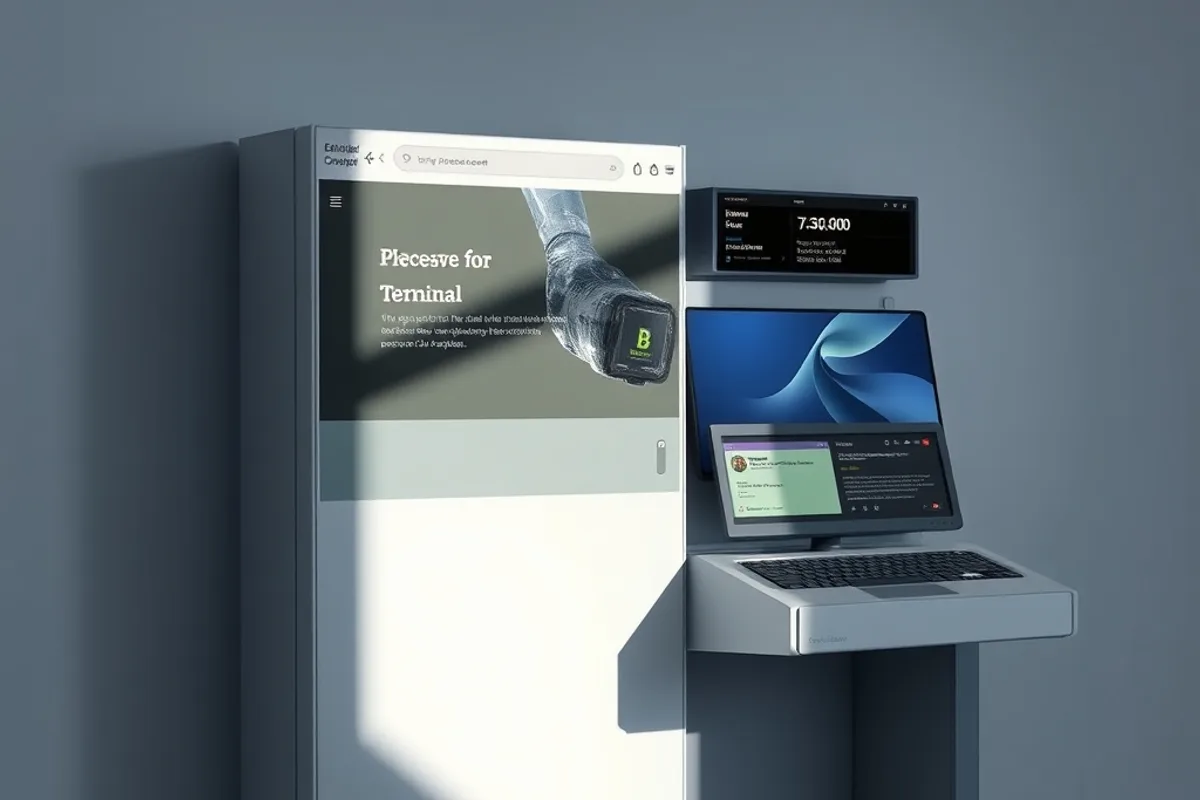
A traditional CMS such as WordPress gives editors a familiar interface, plugins for almost anything and cheap hosting. A small business can be live in a week. The hidden costs are updates, security patching and plugin bloat that slowly destroys performance.
This is still the right choice when non-technical staff publish often and the budget is limited. Budget for maintenance and a staging site, or the savings disappear in the first incident.
Headless builds
A headless CMS separates content from presentation. Editors use a hosted interface; the front end fetches content through an API. You can serve a fast static front end while giving editors a modern dashboard, and reuse the same content in an app or kiosk.
The cost is integration. Previews, redirects, forms, search and image handling all need decisions. A headless build is worth it when content is reused across channels or when the front end needs to be unusually fast or custom.
The questions that decide it
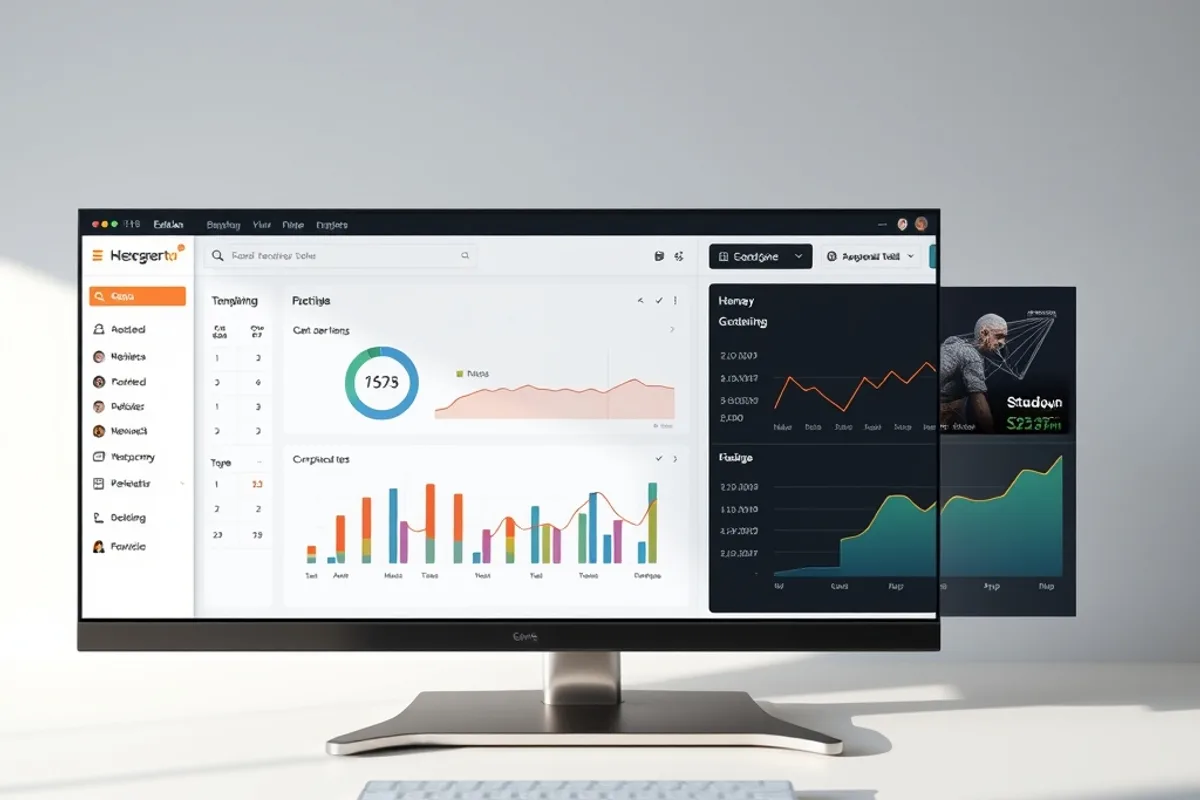
Ask how many people will edit, how often they publish, whether content appears outside the website, and who fixes the site at 9pm when it breaks. Also ask what the site must do in three years: memberships, ecommerce, localisation, or a simple brochure.
Budget for the cost of change, not just the launch. Migrating from a static site to a headless setup later is usually easier than untangling a plugin-heavy CMS. But a headless build nobody can maintain is worse than a boring CMS that works.
Performance and hosting
Static and headless front ends generally deliver better Core Web Vitals because there is less server work per request. That advantage disappears if you ship megabytes of JavaScript and unoptimised images. Choose the stack, then enforce a performance budget.
Hosting costs range from free for a small static site to hundreds per month for a managed platform with previews and search. Compare total cost over three years, including maintenance hours.
"The best stack is the one your team can still operate on a bad day, not the one that looks best in a launch post."
Our recommendation
Use static for brochure sites, blogs and documentation with a small editorial team. Use a traditional CMS when non-technical editors publish daily and budget is tight. Use headless when content is reused or the front end is a product in itself.
Whatever you choose, measure performance after launch with our Core Web Vitals guide, and plan technical SEO from day one with the audit checklist.
The bottom line
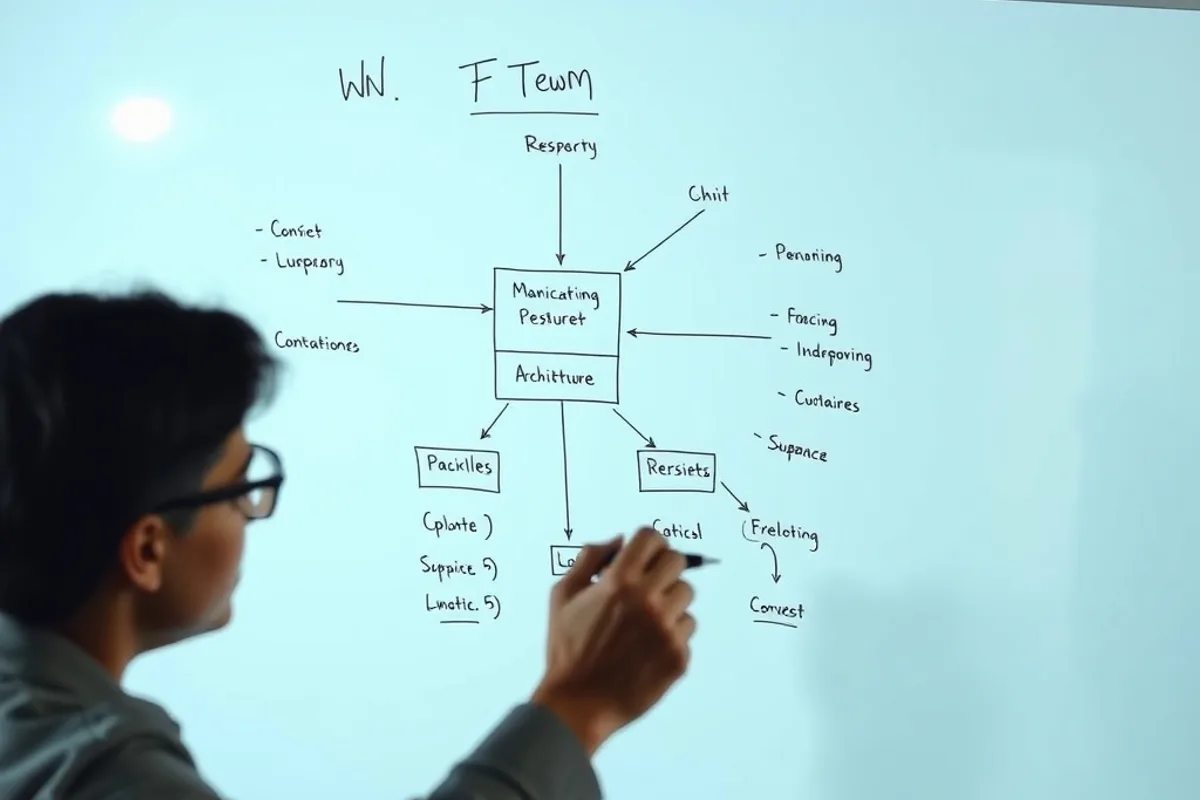
Start with the editing workflow, not the framework. Pick the simplest stack that gives editors control without making the site fragile, then spend the saved effort on speed and content. A site that publishes reliably beats a clever architecture nobody can maintain.